Leader
I have led or co-led in many capacities over the decades, and looking into the coming year, more leadership is planned. Some thoughts on it all.


Formed as a Leader from Childhood
You might say I was inspired from an early age to be a leader. My mother was my model in this as in so very much when I was in elementary school. Not only was she in charge of our little family, of course, of me and my sisters in the absence of my father, but she took on numerous leadership roles in the Caribbean community in Montreal during my childhood and adolescence years, as well as in the various churches in which she was involved.
Watching her, I learned leadership wasn’t about what my aunt Rose wryly calls being ‘large and in charge’ but personal connection. It seemed my mom was always on the phone, when she wasn’t out taking courses or doing one of her community activities. And she was always connecting people, with the stories of other people as family matriarch, carrying important news of one family member to others, visiting people in hospital or taking them to doctors’ appointments. Doing the work.

First Experiences of Leadership
It would seem I absorbed all this by osmosis. While I am not in any sense matriarch in waiting for my wider family, as that role seems to be more perhaps suited for one of my cousins, since I began being seriously involved in church in my teens, I have been taking on one form of leadership after another.
It began in the acceptable feminine way, leading Bible study classes, Sunday School classes and youth group, and of course leading my little family as it grew from one to three children, and organizing the nursery and toddlers’ groups at church when my children were of those ages. In 1996, the same year my third child was born, I opened my first Kumon centre and took tentative steps into leadership in the work world.
After my separation from my first husband, leadership in church branched out for me into helping lead services as a kind of unofficial lay reader, leading Taize services, and being co-chair of Corporation.
I also got more involved in association work, first being a board member of a franchisee association but eventually co-forming a new association and becoming its President.
All the ways I have led have built experience and skills which have informed every new path of leadership. So what are some of the things I have learned?

Not a Popularity Contest
Any parent knows that we have to make unpopular decisions and are not always liked. I cannot count the times my children yelled at me, told me they hated me, or otherwise expressed disapproval of things I chose to do as mom in charge.
My non-popularity continued into my other spheres. Some of the decisions I needed to make were very painful and had serious consequences for a variety of people who then began to despise me for them.
Leaders learn quickly that you cannot please everyone all of the time. Even pleasing some of the people some of the time can be challenging, depending on the circumstances.

Consensus is a Healthy Leadership Model
In the early 2000s, I first experiencing helping chair a church board as part of what we Anglicans call Corporation. Being on Corporation is a weighty responsibility including as it does legal responsibility for welfare of the physical assets of the church as well as participating with the Rector in their decisions about parish life.
The Rector who chose me as his Rector’s Warden invited us into consensus as our decision-making path. We discovered consensus was at times hard won. It would seem we were approaching consensus but one member was not ready. Sometimes the decision would end up completely swinging over to that of the dissenting member. It was fascinating and I learned a lot of valuable lessons from these consensus-building years on Corporation.
I went on to apply them to the international association board during the years I was President. That was quite difficult at times, but I learned more important lessons, and remain convinced that it is a healthier approach than majority vote, having seen too many examples of poor decisions made that way in many spheres of life.

Leadership is More About Listening than Speaking
One of the things consensus teaches a leader is how much more listening is needed than speaking. Think of the old adage about having two ears and one mouth. It’s not wrong. I have easily needed to listen at least twice as much as I have needed to speak. Usually more than twice.
And it’s not just listening to what people say. It is watching their body language for clues of how they feel about what they are saying as well as when you are talking. It’s listening to what they do not say. The silences can be easily as eloquent as the speeches of your co-leaders.
It’s not making assumptions about what you think you are hearing. Drawing people out according to what you are understanding they are saying so that they can more clearly speak their mind.
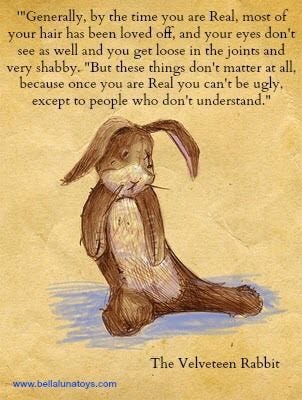
Leadership is Rooted in Being Real
Any tendencies I have had in my life to being inauthentic have been held to the fire in all my leadership role. People know when you’ve being phony, whether they are your children, the staff under your authority at your place of work, or the members of a business association.
Some of the times I have struggled the most in leadership roles were during periods of depression when I felt disconnected from my Inner Compass and struggled to be real, because I didn’t want to burden people with my depression problem, nor could I be as decisive and strong as I can when my mental health is good and I experience that connection to my Self.

Leadership is About Relationship and Compassion
Sometimes a leader needs to assess that the people in the group are not ready to make a decision because of some life situation of one or more of the group members. At times it must become much more about compassion for the individual or individuals and what they are going through at that moment. The decision can wait.
Think of the best leaders you have known in your life. How high was their emotional intelligence? How good were they at making connections with those around them, being genuinely caring and not just making a show of it?

Leadership isn’t for the Faint-Hearted or Arrogant
Besides needed to get used to being unpopular for decisions, there are a number of difficult and painful things about being a leader. The buck stops with you, and as a human, you’re going to get it wrong sometimes. You are going to have to get good at apologizing, not just saying sorry but coming up with appropriate restitution for errors you have made.
Being a leader means learning to work skilfully with anyone, really. Some people aren’t easy to work with. There are many personalities that your personality naturally clashes with. You cannot simply whine and complain about them as a leader, but you need to learn how to listen to them and speak to them in such a way that they hear you better. You need to understand where they are coming from and more about why they behave in the ways they do.
Leading means at times recognizing something you build or helped build from nothing is dying or has died, and being able to walk away from it. That’s really tough if you had been deeply invested in time. But a leader has to be realistic, not someone who clings to a project that is dead because it is dear to their heart.

Leadership is Being With
In incarnating as the baby Jesus, who grew up fully human as a child then adult and who finished that human life in agony on a cross, God has shown us once and for all that to lead is to Be With. No true leader is on a throne of any kind, isolated from and above their people, delivering proclamations from on high. True leaders are right in the trenches with those whom they lead. Jesus taught us by his example that leadership is about being a servant to all. Washing feet, healing, listening, feeding, and seeing what love is asking us to do in each situation with a person. People have an enormous variety of needs that are crying out to be met at any given time.
You might think that those with the greatest needs are people with insecure housing, who struggle financially, who don’t always have enough to eat or good clothes to wear. Leaders seek to support and help people who have these kinds of needs, but also recognize that need can hide behind a privileged lifestyle. Sometimes those who have the least materially are rich beyond belief in love, friendship, and wisdom. Sometimes those who seem to have everything they could possibly need are dying inside and feeling wholly alone.
Being With people means that you are really there. Not making a show of being there while thinking about how quickly you can slip off and do what it is you really want to do that minute when someone is pouring out their heart to you. No, you’re there, fully there, and listening for what your role can be. Is advice being sought? Concrete help? Prayer? A hug? Often having someone be truly present is such an unfamiliar experience that it feels like home just to receive that.

How Do Our Political Leaders Rate?
You can imagine I have many thoughts and opinions about our leaders, municipal, provincial, federal, and international. Without getting into any specifics about how I feel and what I think, I would just like to leave you with these questions: if the above is what true leadership is about (and hey, maybe I’m wrong about some or all of it), how do our leaders rate? Is it possible for us to make better choices if they are not the people we need?