6/40: Insight
Today's step in my personal 40 day exploration of things to let go in favour of what is better is giving up judgment in favour of insight.

The last thing I want to do is judge someone else, you know? I would much rather really understand what they are going through, and care for them.
Yet I become very aware on days like I had yesterday how quick I can be to judge sometimes.
Manager Parts in IFS and The Judgmental Part
This article on manager parts, specifically The Perfectionist, The Critic and the Judgmental Part, is where I went this morning to try to gain a better understanding of what it is within me that defaults to judging.
It sounds all too familiar:
The Judgmental Part is quick to label and blame, whether directed at yourself (“I’m such a failure”) or others (“They’re so incompetent”). It operates from a black-and-white perspective, categorizing people or situations as good or bad, right or wrong. This part believes that by judging, it can maintain control, uphold moral standards, or protect the system from harm.
It is probably no accident that I was contemplating Openness yesterday and the positive aspects of vulnerability, because the Judgmental Part seeks to protect the system from vulnerability and build a strong defence through superiority.
Judging others puts a strain on my relationships, as it isolates me from them, creates inner conflict, and forms a barrier to authentic relationship. When I self-judge, that cuts me off from my Self. The black-and-white thinking of this part is divisive and interferes with building common ground or sensitivity to nuance. Because it keeps hurt and insecure exiles at a distance, it interferes with my emotional healing.
How To Work with the Judgmental Part in IFS
The IFS approach is ever one of curiosity and compassion. First goals include understanding how the Judgmental Part seeks to protect and then to encourage it to soften.
Connecting with the Self in its nonjudgmental ways provides a way in to get close to the part without being caught up in its blaming. Listening carefully to its anxieties provides insight into how it tries to keep the system safe, and validates its efforts. Following paths back to where it came from helps deepen understanding and empathy. The Self can then offer another way to stay safe through nuance and compassion. The relaxing of the Judgmental Part allows the exiled parts to emerge and be healed.
The ultimate goal is that over time, the Judgmental Part can become discerning and insightful rather than blaming, which makes healthier relationships with the Self and those around more and more possible.
The article also explains how the Judgmental Part interacts with the Critic and Perfectionist to seek to protect while unfortunately creating cycles of stress and disconnection. When the Self steps up to lead, the manager parts can take a break and the exiles move into the light of day to heal.
What Steps Can I Take To Do This Work?
The article wraps up by providing the following tips:
‘1. Notice the Part: Pay attention to moments when you feel perfectionistic, critical, or judgmental. Name the part (e.g., “This is my Critic speaking”).
2. Pause and Breathe: Take a moment to connect with your Self by focusing on your breath and inviting calm and curiosity.
3. Ask Questions: Gently ask the part, “What are you trying to protect me from?” or “What do you need to feel safe?”
4. Listen Without Judgment: Allow the part to share its fears or concerns without arguing or dismissing it.
5. Seek Support: Working with an IFS Institute trained professional can provide guidance and safety, especially when connecting with exiles.’
Good News
Isn’t it amazing that in the 21st century we have these modalities for healing? I feel deeply encouraged that it is not necessary to stay stuck in patterns that evolved to protect me but now mostly get in the way of relationships and healing.
This is good news!
It is also clear in this moment how certain aspects of religion and toxic professional environments can further weaponise the tendencies of manager parts. No wonder many are allergic to church and traditional formats of worship, which provide ammunition to Critic, Perfectionist, and Judgmental Parts by explaining in detail how wretched and unworthy we truly are!
How did in particular the Good News of Jesus’ message of love, healing, hope, and intimacy with Presence become so fraught with hellfire, self-loathing, and judgmentalism?
I found a lot of answers to this question through reading the most recent article by someone I follow closely here and have learned much from, ‘Vera Hart’.
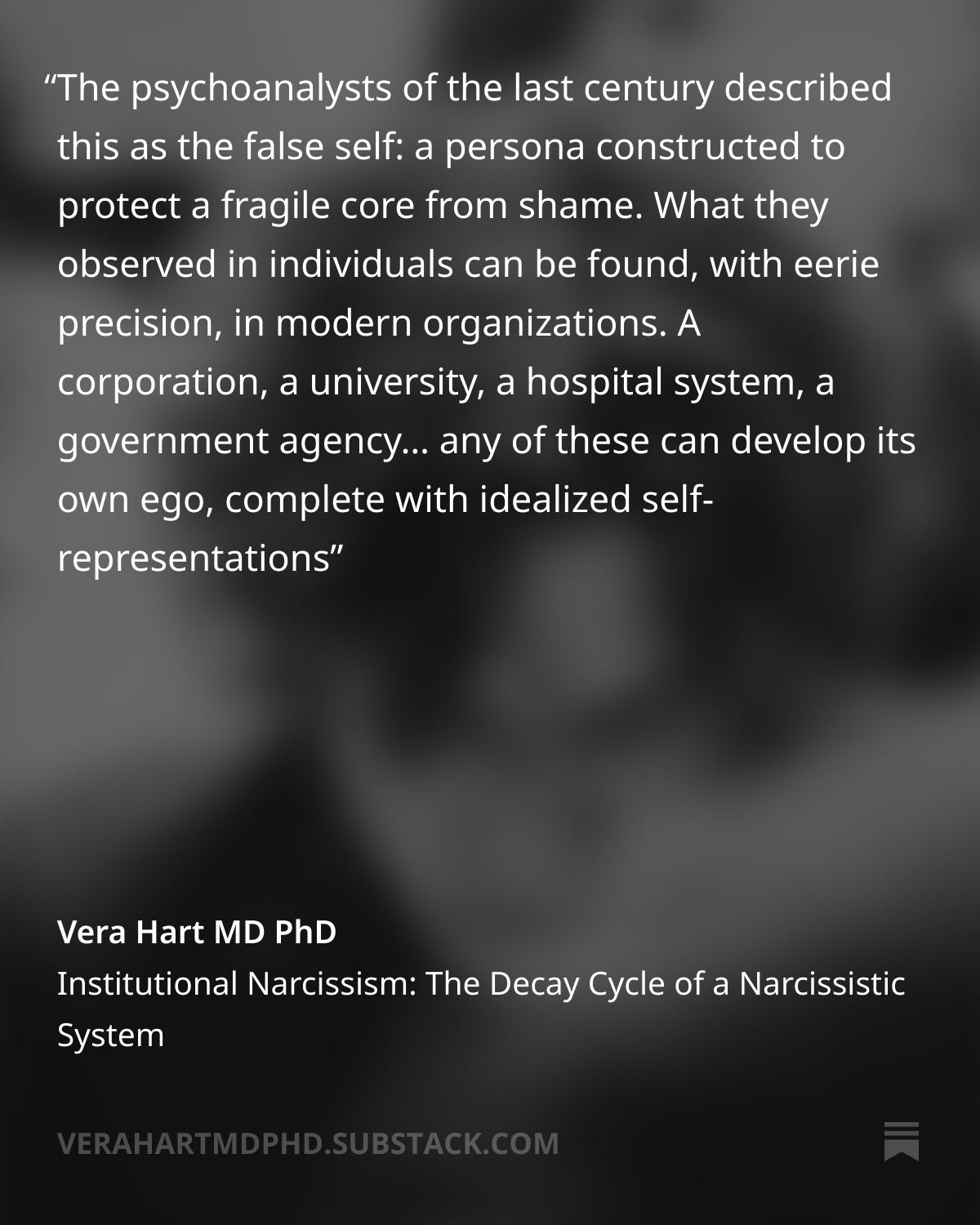
Reading the article in its entirety was hugely helpful to me in understanding what I went through over the past 40 years especially trying to work within various systems that had become rigid protectors of themselves, deeply hostile to what they perceived as foreign, inimicable forces: people like me.
The Good News is that there are healthier places to live, work, and interact, and that each of us has opportunities to heal and develop better relationships with Self and others.
I am always very keen to hear your thoughts!